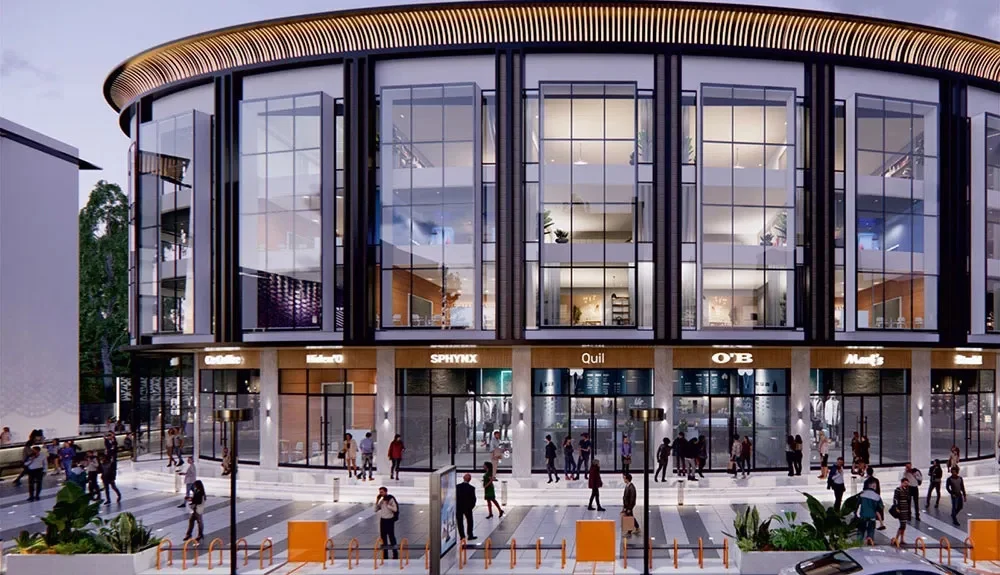
SCO Plots in Sector 67 Gurgaon Location, Connectivity and Buyer Details
Getting Started
SCO plots, short for Shop Cum Office plots, are small commercial parcels where a buyer can build a structure combining retail on the lower floors with office space above. Gurgaon has become one of Delhi NCR’s most active markets for this format, because its residential sectors keep expanding along major corridors and need commercial frontage to serve them. Sector 67 sits on the Southern Peripheral Road (SPR) belt, which makes it a frequent search term among commercial buyers. This guide explains what SCO plots are, why Sector 67 draws attention, which factors shape value, and what to verify before buying. It deliberately avoids price promises, because pricing and approvals must be checked at source.
Final Thoughts - What Are SCO Plots in Sector 67 Gurgaon?
SCO plots in Sector 67 Gurgaon are Shop Cum Office commercial plots in a sector along the Southern Peripheral Road corridor. Buyers typically develop them for ground-floor retail with offices above. Sizes, prices, approvals and development status vary by project and must be verified with official documents before any purchase decision.
What Is an SCO Plot and How Does It Work?
An SCO plot is a commercial plot sold for a mixed-use building. The ground and possibly first floors are usually meant for shops, showrooms or food outlets, while upper floors suit offices, clinics or service businesses.
How an SCO works in practice depends on the project:
- In some developments, the buyer purchases a plot and constructs a building within approved norms.
- In others, a developer may offer a built or partly built unit.
- Permitted use, floor area, height and parking are governed by approved plans and local building regulations, not by the marketing description.
Buyer takeaway: Always confirm whether you are buying land, a built unit or a development right, because ownership structure, costs and timelines differ for each.
SCO vs Other Commercial Formats
| Factor | SCO Plot | Shopping Mall Unit | Office Space in a Tower |
|---|---|---|---|
| Typical use | Retail plus office | Retail only | Office only |
| Frontage | Often direct street or road frontage | Internal, mall-dependent | Limited or none |
| Control | Higher, subject to approved building norms | Lower, set by mall management | Lower, set by building |
| Footfall source | Local catchment and passing traffic | Mall’s own footfall | Occupant and visitor traffic |
| Maintenance | Depends on project terms | Common-area charges | Common-area charges |
This comparison is general. Actual terms differ by project and should be read in the allotment or sale documents.
Why Sector 67 Gurgaon Draws Commercial Attention
Sector 67 sco plots gurgaonis in the New Gurgaon belt, associated with the Southern Peripheral Road. The SPR is one of the major east-west links in the city, and it connects several residential and mixed-use sectors. Commercial activity tends to cluster where road access, residential density and visibility come together, and that is the logic behind buyer interest here.
Several factors usually explain why a sector like this becomes a focus:
- Corridor position: Proximity to a major arterial road improves visibility and accessibility for commercial frontage.
- Surrounding residential growth: Housing developments nearby create a daily customer base for convenience retail, services and offices.
- Links to other corridors: The wider area relates to Golf Course Extension Road and the Dwarka Expressway belt, which shape how people move across Gurgaon.
- Planned commercial supply: Where land is earmarked for commercial use, buyers find organised plots rather than ad hoc conversions.
None of this guarantees demand. Footfall, rent and resale depend on how many homes are occupied, how much competing supply exists, and how the local road network performs. Treat the corridor story as a starting hypothesis and test it on the ground.
Location and Connectivity: What to Verify, Not Assume
Connectivity claims are among the most inflated in real estate marketing. Rather than quoting travel times, which change with traffic, construction and time of day, use this approach.
Check Road Access and Visibility
Visit the site at different times, including weekday mornings and evenings and weekend afternoons. Note the width of the access road, whether the plot faces a main road or an internal road, and how easily a customer can enter and park.
Check Connections to Neighbouring Corridors
Map how the sector connects to the Southern Peripheral Road, Golf Course Extension Road and Dwarka Expressway. Identify which links are fully operational today and which are still planned. Infrastructure timelines are time-sensitive, so confirm them through official sources such as the relevant development authority rather than relying on brochures.
Check Public Transport and Last-Mile Access
Metro, bus and shared-ride availability affect office occupancy and retail footfall. If a planned line or station is cited, confirm its current status independently.
Buyer takeaway: A commercial plot is only as good as the access customers actually have today, not the access promised for the future.
Plot Sizes, Configuration and Unit Conversions
SCO plot sizes differ across Gurgaon and across projects. This article does not state a specific size for Sector 67, because sizes must be taken from the approved layout plan and the developer’s or authority’s documents.
When comparing sizes, convert units consistently:
| Unit | Conversion |
|---|---|
| 1 sq. m. | ≈ 10.7639 sq. ft. |
| 1 sq. m. | ≈ 1.19599 sq. yd. |
Worked example for illustration only: a hypothetical 100 sq. m. plot equals roughly 1,076 sq. ft. or about 120 sq. yd. This is not a real listing.
Configuration questions worth asking:
- Is the stated area plot area, built-up area or saleable area?
- How many floors are permitted, and what is the allowed coverage?
- Are basement or parking provisions included in the permitted area?
- Is the plot an edge or corner plot, which may affect visibility?
What Affects SCO Plot Prices in Gurgaon?
SCO prices in Gurgaon are influenced by location, frontage, plot size, development stage, market conditions and available infrastructure. Prices can vary widely between sectors and even within one sector. Any figure should be treated as indicative until verified with the seller and dated at the time of verification.
Key drivers include:
- Location and road frontage: Main-road and corner positions are often priced differently from interior plots.
- Development status: Under-development, ready and fully operational stages carry different risk profiles.
- Approvals and legal clarity: Clear documentation generally supports pricing.
- Surrounding demand: Occupied residential neighbourhoods tend to support retail more reliably than sparsely populated areas.
- Market cycle: Interest rates, supply and investor sentiment shift over time.
This article does not provide current prices for Sector 67. Check directly with the developer or an authorised channel and record the date of any quote.
Business Suitability: Retail, Office or Both?
Retail Suitability
SCO ground floors can suit convenience stores, pharmacies, cafes, salons, banks and showrooms, provided the catchment matches the business. A quality retail location needs visible frontage, easy parking and a customer base within a reasonable distance. Competition from nearby malls and other SCO clusters also matters.
Office Suitability
Upper floors can suit professional services, clinics, coaching centres, small corporate offices and co-working operators. Office demand depends on accessibility for staff, parking, lift access and surrounding amenities.
Matching Business to Location
Ask three questions before committing: Who is the customer, how will they reach the site, and what do competitors nearby already offer? Footfall estimates should come from your own observation or professional catchment analysis, not from general claims.
Investment Analysis: Factors to Evaluate
SCO property is often considered by investors seeking rental income or long-term capital growth, but outcomes are uncertain and depend on many variables. No return, rental level or appreciation can be assumed.
Entry Cost and Total Cost of Ownership
Beyond the plot price, consider construction cost where applicable, stamp duty and registration, GST where it applies, maintenance charges, financing cost and any development or external charges. Specific rates and applicability should be verified with a qualified tax or legal adviser.
Rental Potential
Rent depends on tenant demand, floor, frontage and surrounding occupancy. Ask local brokers and existing shop owners about actual rents in comparable buildings, and treat projected yields in marketing material with caution.
Liquidity and Exit
Commercial plots can take longer to sell than residential units, and the buyer pool is narrower. Consider your holding period and whether you could hold through a slow market.
Vacancy and Business Risk
An unlet shop or office produces no income while costs continue. Plan for periods of vacancy, especially in newly developing neighbourhoods.
Investment Factors at a Glance
| Factor | What to evaluate | Why it matters |
|---|---|---|
| Location | Frontage, access, catchment | Drives tenant interest |
| Demand | Occupied homes, nearby offices | Supports footfall |
| Competition | Nearby malls and SCO clusters | Affects rent and occupancy |
| Costs | Taxes, maintenance, financing | Shapes net returns |
| Liquidity | Buyer pool, holding period | Affects exit options |
| Regulation | Permitted use, approvals | Protects against legal risk |
Whether any specific DLF Central 67 SCO Plots is a good investment depends on these factors and on the buyer’s goals, budget and risk tolerance.
Risks Buyers Should Weigh
- Regulatory risk: Permitted use, building norms or approvals may change or may not match what was promised.
- Market risk: Commercial demand can soften, and rents may fall short of expectations.
- Vacancy risk: New commercial areas can take time to fill.
- Competition risk: Additional supply nearby can dilute demand.
- Financing risk: Commercial loans may carry different terms than home loans, and interest rate changes affect cost.
- Infrastructure risk: Planned roads or transit links may be delayed or altered.
Common Buyer Mistakes
- Relying on projected returns instead of verified rents.
- Skipping a site visit at different times of day.
- Confusing plot area with saleable or built-up area.
- Ignoring maintenance, taxes and financing costs in the budget.
- Assuming a planned road or metro line will arrive on schedule.
- Not checking permitted use and floor limits.
- Buying purely on brochure claims without independent legal review.
Buyer Due-Diligence Checklist
Use this list before committing funds. Verify each item through official documents and professional advice.
- Title and ownership: Confirm clear title and the seller’s right to sell.
- Approvals: Check layout, building plan and any required sanctions.
- RERA status: Where applicable, verify registration on the relevant state RERA portal.
- Plot specifications: Confirm dimensions, area type and permitted floors.
- Development status: Check whether services and roads are actually in place.
- Permitted usage: Confirm that your intended retail or office use is allowed.
- Building regulations: Review coverage, height, setback and basement rules.
- Parking and access: Verify parking norms and road access.
- Maintenance: Understand charges, who collects them and what they cover.
- Payment terms: Review the schedule, penalties and refund conditions.
- Financing: Compare loan options and total cost of credit.
- Taxes and registration: Get professional advice on duties, GST and income tax.
- Availability: Confirm the specific plot is available and not already allotted.
- Official documentation: Obtain copies of every agreement and receipt.
- Liquidity and exit: Plan how and when you might sell or lease.
Consult a qualified lawyer, chartered accountant and, if needed, a financial adviser before signing anything.
Examples in the Market
Buyers researching this area will encounter several developments. For instance, DLF Central 67 is one commercial project associated with Sector 67 that buyers often come across. Treat it as an example to research, and evaluate it against the same checklist as any other option, using official project documents.
To see how this sector compares with other options, review the broader range of SCO plots Gurgaon listings and compare them factor by factor.
Final Thoughts
SCO plots in Sector 67 Gurgaon sit within a wider story: a growing New Gurgaon belt, a major arterial corridor and rising demand for neighbourhood commercial space. Those factors make the area worth studying, but they do not replace verification. The strongest decisions come from matching the business to the catchment, testing connectivity on the ground, budgeting for total costs and understanding risks such as vacancy, competition and regulation. Treat prices, sizes, approvals and infrastructure timelines as items to confirm with official sources and professional advisers. Used that way, this guide gives you a framework for comparing SCO opportunities across Gurgaon with clearer eyes.
Investment Disclaimer
This article is for general information only and does not constitute investment, legal, tax or financial advice. Real estate investments carry risk, including potential loss of capital. No returns, rental income or appreciation are guaranteed. Details such as prices, plot sizes, approvals and timelines may change and must be independently verified with official sources and qualified professionals before any decision.
Frequently Asked Questions
1. What are SCO plots in Gurgaon?
SCO plots, or Shop Cum Office plots, are commercial parcels developed for retail on lower floors and offices above. In Gurgaon, they are found across several sectors and corridors. Buyers should confirm permitted use, floor limits and approvals for any plot, since rules differ by location and project.
2. How do SCO plots work?
A buyer acquires a commercial plot, or in some projects a built unit, and uses it within approved norms. Typically, ground floors serve shops and upper floors serve offices. Ownership structure, construction responsibility, maintenance and costs vary, so reading the sale documents carefully is essential before purchase.
3. Where is Sector 67 in Gurgaon?
Sector 67 is part of the New Gurgaon belt and is associated with the Southern Peripheral Road corridor. Its wider surroundings relate to Golf Course Extension Road and the Dwarka Expressway area. Buyers should check the current map and road status independently rather than relying on general descriptions.
4. What affects SCO plot prices in Gurgaon?
Prices depend on location, frontage, plot size, development status, surrounding demand, approvals and market conditions. Corner and main-road plots may be priced differently from interior ones. Any quoted price should be dated and verified directly with the seller or an authorised channel.
5. Are SCO plots suitable for retail businesses?
They can be, provided the catchment, visibility, parking and competition suit the business. Convenience retail, services and food outlets often fit SCO ground floors. Suitability depends on nearby residential occupancy and footfall, so a site visit at different times is advisable.
6. Are SCO plots suitable for office use?
Upper floors of SCO buildings can suit small offices, clinics and professional services. Staff access, parking, lift provision and nearby amenities matter. Confirm that office use is permitted under the approved plan and that the building meets your operational needs.
7. What should buyers verify before purchasing an SCO plot?
Verify title, approvals, RERA status where applicable, plot specifications, permitted usage, building regulations, parking, maintenance, payment terms and availability. Obtain copies of all documents and consult a lawyer, chartered accountant and financial adviser before signing any agreement or paying significant amounts.
8. What factors should investors compare before buying SCO property?
Compare location and frontage, surrounding demand, competition, total cost including taxes and maintenance, financing terms, rental potential, liquidity and exit options. Also weigh regulatory and vacancy risks. Returns cannot be assumed, so evaluate each factor against your goals and risk tolerance.
9. How do I convert square metres to square feet and square yards?
One square metre is approximately 10.7639 square feet and about 1.19599 square yards. Multiply the area in square metres by these figures. For example, 100 sq. m. is roughly 1,076 sq. ft. Always confirm whether the stated area is plot, built-up or saleable area.
10. Is an SCO plot in Sector 67 a guaranteed good investment?
No commercial property is guaranteed to perform well. Outcomes depend on location, demand, competition, costs, regulation and market cycles. Evaluate the specific plot against due-diligence criteria, plan for vacancy and slower resale, and seek independent professional advice before making any investment decision.